Last checked: 17 November 2026. Tithi timings below are for New Delhi and can differ by a few minutes in other cities.
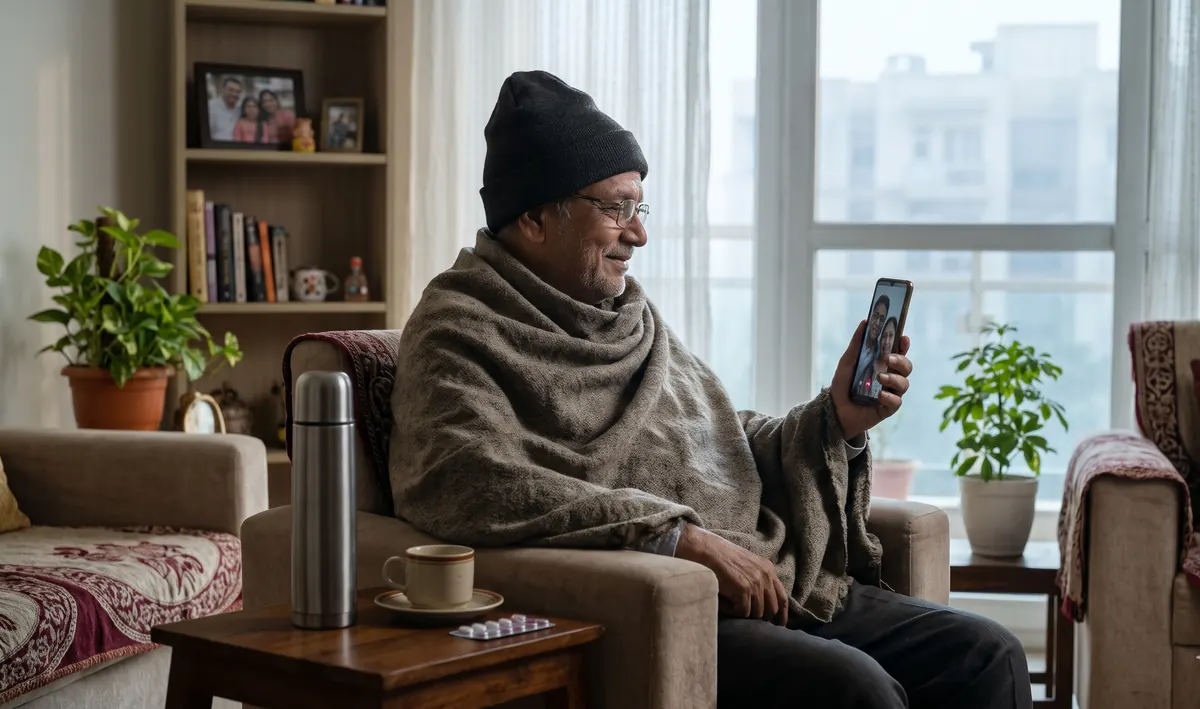
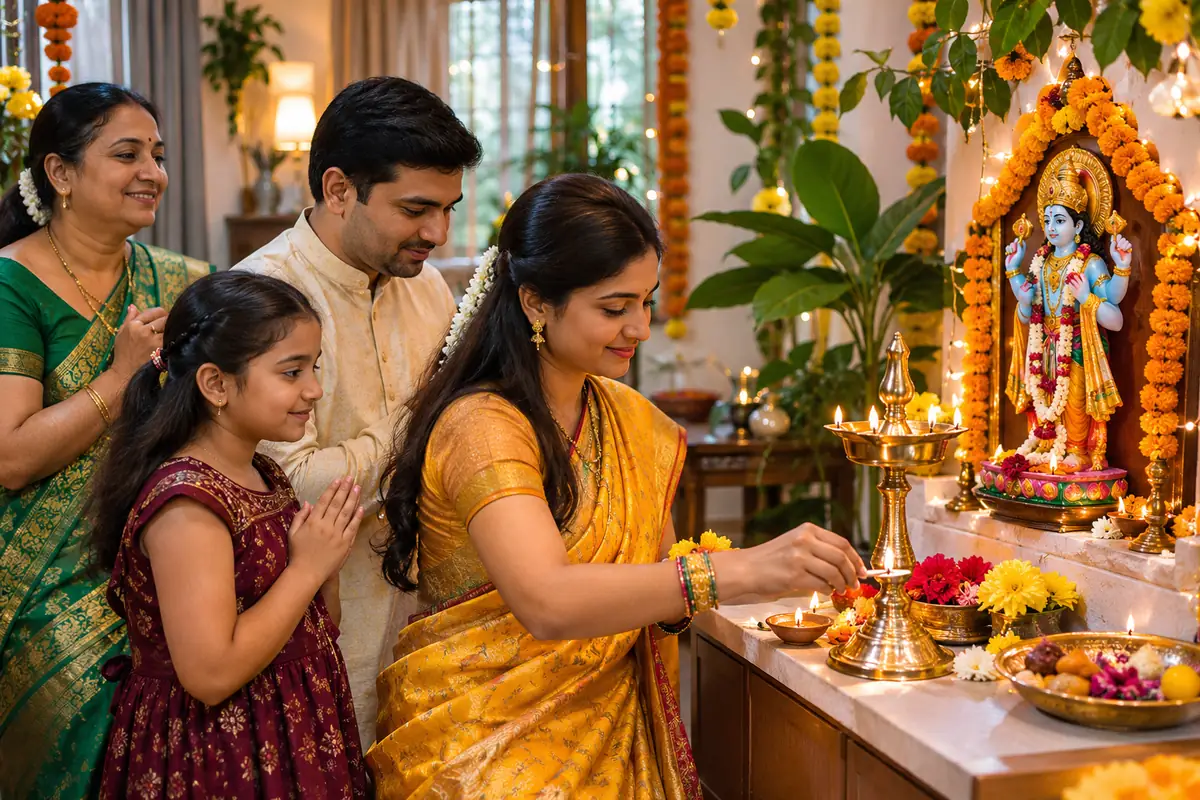
In many Indian homes, Dev Uthani Ekadashi starts before sunrise. A diya is lit, the tulsi plant is cleaned and decorated, and the oldest members of the family quietly decide that they will keep the fast, just as they have done for fifty years. If you live with an elderly parent, grandparent or a patient who is recovering at home, you already know the worry that comes with this day: will they be able to manage it safely?
This guide gives you the correct dates for 2026, explains what the festival means, and shares simple, practical ways to keep your elders healthy and comfortable while they celebrate. It is written by the team at Radha Nursing Home Care, who spend every day caring for senior citizens and patients at home across Delhi NCR.
When is Dev Uthani Ekadashi in 2026?
Dev Uthani Ekadashi, also called Prabodhini Ekadashi or Devutthana Ekadashi, falls on the Ekadashi of Kartik Shukla Paksha. In 2026, the major panchang sources agree on the following:
- Smarta (householder) observance: Friday, 20 November 2026
- Vaishnava and ISKCON observance: Saturday, 21 November 2026
- Ekadashi tithi begins: around 7:15 AM on 20 November (New Delhi)
- Ekadashi tithi ends: around 6:31 AM on 21 November (New Delhi)
- Tulsi Vivah: usually on Dwadashi, the day after Ekadashi, which this year is Saturday, 21 November. Some families perform it on Ekadashi itself.
Why two dates? Different traditions count the tithi in slightly different ways, so the vrat day is not the same for everyone. The time for parana (breaking the fast) also differs between sources and between cities, so please do not rely on a single number from social media. Check a local panchang such as Drik Panchang for your city, or ask your family pandit, before you plan the fast-breaking meal.
What the day means
According to tradition, Lord Vishnu goes into a deep rest (yoga nidra) on Devshayani Ekadashi and wakes up on Dev Uthani Ekadashi. These four months are known as Chaturmas. With the awakening of Lord Vishnu, the period when weddings and new beginnings were usually avoided comes to an end, and the wedding season begins. That is why the day is followed by Tulsi Vivah, the symbolic marriage of the tulsi plant with Vishnu in the form of Shaligram.
For families, it is a day of devotion, but also a day of activity. Homes are cleaned, relatives visit, prasad is prepared, and the tulsi courtyard is decorated. In the middle of all this, the person who is keeping the fast, often the eldest member, can easily be forgotten.
Fasting and old age: what to think about first
Fasting is a personal and deeply respected choice, and we would never tell anyone to give up their faith. But the body of a person aged 70 or 80 does not respond to a long gap between meals the way it did at 40. Please keep these points in mind:
- Speak to the doctor first. This matters most if your parent has diabetes, high or low blood pressure, a heart condition, kidney problems, or takes tablets or insulin every day. Medical advice for fasting people with diabetes generally says that those who take insulin or have poorly controlled sugar are at higher risk, and the doctor may adjust the plan or advise against a full fast.
- Do not skip medicines. Many elders think that tablets should not be taken on an empty stomach. Ask the doctor which medicines must be taken at the usual time, and how.
- Water and fluids matter. Unless a doctor has restricted fluids, make sure there is always water, coconut water or buttermilk within reach, as permitted in your family’s vrat rules.
- Choose light, simple food. Many families follow a phalahar fast with fruit, milk, makhana or sabudana. Small, regular portions are usually gentler on older people than one heavy meal after a long wait.
- Know the warning signs. Dizziness, unusual weakness, sweating, a racing heartbeat, confusion or a sudden headache are signs to stop the fast, give the person something to eat or drink as advised by their doctor, and call for medical help if the symptoms do not settle quickly.
- Remember that devotion has many forms. If a full fast is not safe, a parent can still keep the day with prayer, bhajans, reading the katha, or daan. Most religious guidance accepts this, and many elders are relieved to be given permission.
For more general guidance on looking after an older family member at home, the National Institute on Aging’s caregiving guide is a trusted and easy read.
When a loved one is already unwell at home
Festival days are the hardest days for families who are caring for a patient. A parent recovering from surgery, someone who has had a stroke, or an older person who needs help to bathe, eat and move is not able to join the puja or the Tulsi Vivah rituals on their own. At the same time, the rest of the family is busy with cooking, guests and travel.
This is when care slips through the gaps. A tablet is given late. A meal is forgotten. Someone is left alone in the room while everyone gathers in the courtyard. It is not carelessness. It is simply that one family cannot be in two places at once.
How a 24-hour live-in caregiver helps during festival season
At Radha Nursing Home Care we provide 24-hour live-in care only. The caregiver lives in your home, day and night, learns your family member’s routine, and is there before the puja begins and long after the last guest has left. We do not offer hourly or 12-hour shifts, because continuity is what keeps a patient safe and calm. During festival days, this means:
- Medicines are given on time, exactly as the doctor has prescribed.
- Someone keeps a gentle eye on fluids, meals and rest, especially for elders who are keeping a fast with their doctor’s approval.
- Your parent is helped to sit, stand and walk safely, so that they can come to the tulsi or the puja corner at home and take part in the day.
- A patient who cannot leave the bed is never left alone while the family is busy.
- You are informed quickly if anything changes, so you can call the doctor without delay.
- You are free to attend rituals, host relatives or travel to your native place, knowing that someone dependable is at home.
Our caregivers support daily care and follow your doctor’s advice. They do not replace the doctor, change treatment on their own or decide on a patient’s diet and medicines. You can read about each type of care on our service pages: Old Age Care, Patient Care Taker, Home Nursing Care and Critical Care at Home. If you need help in the kitchen during the festival season, you can also ask us about a 24-hour cooking maid.
A simple festival checklist for families with elders
- A week before: take your parent to the doctor or call the clinic and ask, in plain words, “Can they fast? If yes, how, and what happens to the medicines?”
- Two days before: keep fruit, milk, dry fruits and fluids at home, and write down the doctor’s number and the nearest hospital where it is easy to see.
- On the day: keep water and a light snack within reach, avoid long hours of standing in puja, and give the elder a comfortable chair.
- During Tulsi Vivah: noise, crowds and late nights can tire older people. Give them a quiet corner to rest, and make sure someone is always with them.
- After the fast: start with something light before the heavier prasad and sweets, especially if your parent has diabetes.
How to arrange a caregiver before the festival
If you want help in place by Dev Uthani Ekadashi, it is better to call a few days ahead. Here is how it works:
- Call or WhatsApp us and tell us about your parent or patient, and your address.
- We listen to the condition, the daily routine and the doctor’s advice, so nothing is missed.
- We suggest a suitable caregiver from our verified, trained team, whose experience matches the kind of care you need.
- The caregiver moves in and stays with your family, 24 hours a day.
We serve families across Delhi NCR, including Faridabad, Ghaziabad, Noida and Gurugram, and our office is in Kalkaji, New Delhi. Learn more about us or visit our contact page.
Frequently asked questions
What is the date of Dev Uthani Ekadashi in 2026?
It falls on Friday, 20 November 2026 for Smarta householders and on Saturday, 21 November 2026 for Vaishnava and ISKCON followers. Always confirm with a local panchang, as timings vary by city.
Is Dev Uthani Ekadashi the same as Prabodhini Ekadashi?
Yes. It is also called Devutthana Ekadashi, Dev Prabodhini Ekadashi and Devotthan Ekadashi. All of these names refer to the Ekadashi of Kartik Shukla Paksha, when Lord Vishnu is believed to wake up.
Can an elderly person with diabetes keep the Ekadashi fast?
Only with the doctor’s advice. People who take insulin or have unstable sugar levels can be at higher risk during a fast. A doctor may suggest a modified fast with regular light meals, or prayer and charity instead of fasting.
What should I do if my parent feels dizzy or weak during the fast?
Ask them to sit or lie down, give them something to drink or eat as their doctor has advised, and contact the doctor. In an emergency, call 112 or your ambulance service immediately.
Do you provide a nurse or caregiver for a few hours on festival days?
No. We provide only 24-hour live-in care, where the caregiver stays with your family day and night. Please call us a few days before the festival so that we can arrange a suitable caregiver in time.
Wishing your family a safe and joyful Dev Uthani Ekadashi
The festival is about waking up to new beginnings. If caring for an elder or a patient at home is becoming difficult to manage alone, this is a good day to ask for help. Tell us about your family, and we will suggest the right 24-hour live-in caregiver.
Call +91-8587808979 or message us on WhatsApp. Landline: (011) 4440-4204. Office: 1309, 4th Floor, Govindpuri, Gali No. 13, Kalkaji, Delhi 110019.